Category: Resilience

  • The Soldier and the Ammunition

    A 1-minute archive reflection

    Archive note:
    This reflection was originally written during the COVID period on my earlier Facebook page, Change Your Thoughts & Make Your Living Better – CYT. The original title was Core-On-Arm-R. It is preserved here as an archive reflection from that time, with light editing for clarity.
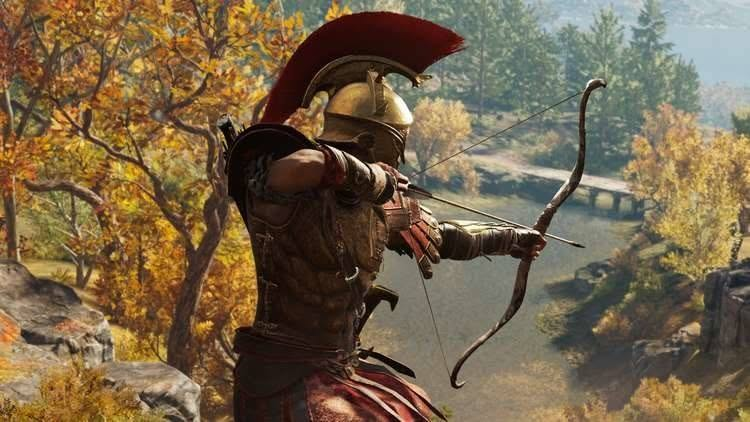
    Who fights the war — the soldier or the ammunition?

    Ammunition has no value unless there is a soldier to use it.

    A war may still be fought with limited ammunition, but ammunition alone cannot fight the war.

    And when ammunition is placed in the hands of a better-prepared soldier, it becomes far more effective.

    During the COVID period, this thought came to me very strongly.

    The virus was the enemy.

    The body was the soldier.

    Vaccines, medicines, masks, gloves, sanitisers, and protective equipment were the ammunition.

    So where does the real strength lie?

    It lies in the soldier.

    The body must be cared for. Immunity, fitness, rest, discipline, and alertness matter. They do not replace medical care or responsible precautions, but they support the person who has to face the situation.

    A weak soldier with strong ammunition may still struggle.

    A stronger soldier can use available protection more effectively.

    There is also one important lesson from martial arts and physical training.

    The first lesson is not always to fight.

    Often, the first lesson is to avoid unnecessary combat.

    Run.

    Take cover.

    Stay away from danger where possible.

    Engage only when necessary.

    That was true during the pandemic as well.

    Use the available protection. Follow the necessary precautions. Seek medical guidance when needed. But also respect the body that has to carry you through the battle.

    The war outside may not always be in our control.

    But preparing the soldier within remains our responsibility.

  • Good Stress & Bad Stress

    From the Archives

    Originally written on 24 January 2014 on my earlier blog “Just felt like it!”. Refined and republished on 27 April 2026 for clarity and readability, while preserving the original thought and intent.

    Good stress is an essential ingredient in every successfully completed project or assignment.

    It provides orientation, alertness, and steady focus as we move towards a desired result.

    What Is Bad Stress?

    The term “bad stress” may sound strange.

    After all, stress is usually assumed to be bad. So how can stress be good?

    Let us consider a project or activity that is coming up. Completing it on time and doing it effectively is important to you.

    At the start, you may feel a slight pressure. This pressure comes from the accountability you feel towards successful completion.

    That is good stress.

    Good stress is essential because it helps an individual focus on the task at hand. It pushes us to prepare, plan, identify bottlenecks, and mitigate risks where possible.

    Every project or activity has certain factors that are outside an individual’s control — nature, public movements, politics, linked activities, associated deliverables, and many other external circumstances.

    Good stress helps us become aware of these factors without becoming paralysed by them.

    When Stress Becomes Bad

    Bad stress begins when worry extends far beyond the project itself.

    Questions start multiplying in the mind:

    “Will I get a raise?”

    “What if the outcome gets messed up?”

    “Will I lose my job?”

    “Will this become a bad mark on my appraisal?”

    “What if someone else takes advantage if this goes wrong?”

    “What will my colleagues think of me?”

    “Will my girlfriend walk away if I lose the job?”

    And believe me, that list can extend for pages.

    At this stage, the mind is no longer focused only on completing the task. It starts wandering into imagined consequences, fears, comparisons, and insecurities.

    That is when stress changes its nature.

    The Language of Bad Stress

    Bad stress often speaks through restless thoughts:

    “I need a break; this stress is killing me.”

    “Let me go down and have a smoke.”

    “When will this project come to an end?”

    “I cannot wait to see the end of this.”

    “I hope all goes well.”

    “Let me go for a stroll.”

    “Life is so maddening.”

    “I hate this job.”

    “My boss can be such a pain in the neck.”

    This is what I call bad stress.

    It is made up of things we need not worry about, but still get dragged into.

    Bad stress is the kind that causes trouble in our life. It drains our energy. It affects our health. Our pains do not heal quickly. Our wounds take longer to recover. New ailments may begin to appear.

    Separating the Two

    The important thing is to pause and examine the situation.

    Take a short time out.

    Breathe deeply.

    Look at your anxiety and worries more carefully.

    Then ask yourself:

    What part of this pressure is useful?

    What part is helping me prepare?

    What part is making me responsible?

    And what part is only creating fear, imagination, comparison, or unnecessary suffering?

    Final Reflection

    Good stress helps us focus.

    Bad stress pulls us away from focus.

    Good stress prepares us for action.

    Bad stress traps us in worry.

    The task before us is not to avoid all stress. The task is to recognise the difference between the kind of stress that sharpens us and the kind that weakens us.

    Throw the bad stress out of the window.

    And embrace the good one.